

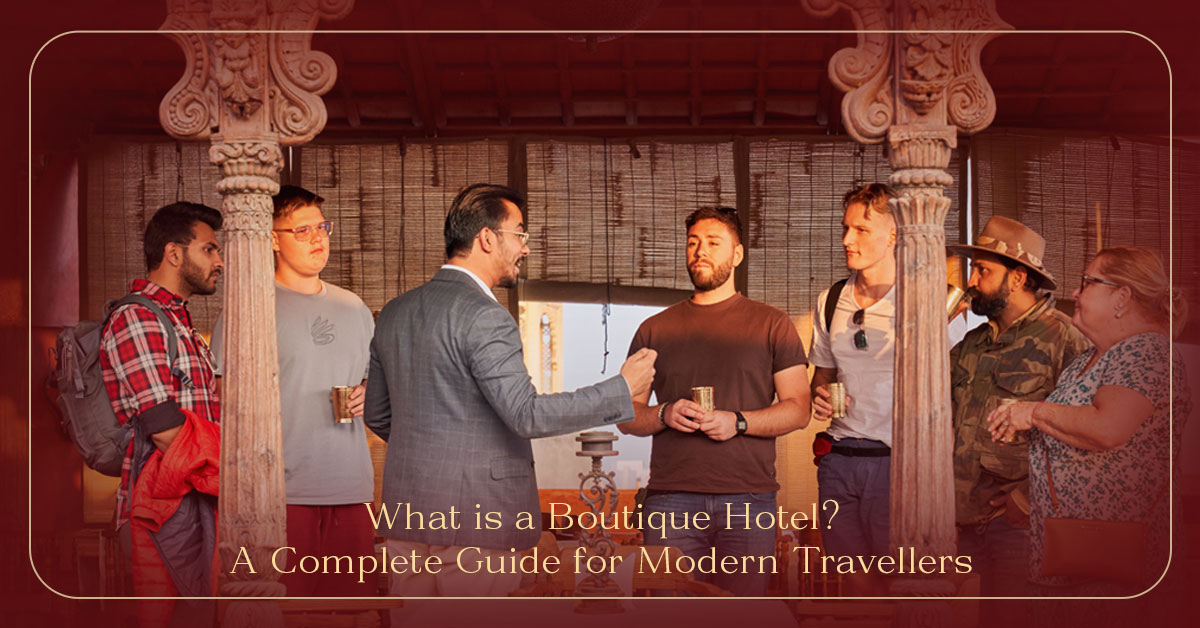

What Is a Boutique Hotel? A Complete Guide
for Modern Travellers
A boutique hotel is a small, independently styled property that focuses on personalized hospitality, distinctive design, and unique guest experiences. Unlike large hotel chains that often follow standardized layouts and services, boutique hotels aim to create a sense of individuality and character. The goal is not simply to provide accommodation but to create an experience that feels authentic and meaningful.
The concept of boutique hospitality emerged as travelers began looking for alternatives to traditional hotel chains — seeking more personality, stronger local connections, greater privacy, and unique environments. As experiential travel became more popular, boutique hotels gained recognition for providing stays that feel more personal and destination-focused. Today, boutique hotels can be found in cities, countryside retreats, coastal destinations, and heritage tourism hubs worldwide.
What Defines a Boutique Hotel?
While there is no universal definition, most boutique hotels share several common characteristics. Understanding these qualities can help travelers identify properties that truly offer the boutique experience — and distinguish them from larger, standardized accommodations.
Smaller Size
Boutique hotels are generally smaller than traditional hotels — with fewer rooms, intimate common areas, and personalized guest attention. This smaller scale often creates a more relaxed and welcoming atmosphere.
Unique Design
Rather than following standardized templates, boutique hotels often feature individual room designs, local artwork, regional influences, and distinctive architecture. Each property has its own identity and personality.
Personalized Hospitality
Guests often receive personalized recommendations, tailored experiences, attentive hospitality, and local insights. The experience feels less transactional and more relationship-driven.
Strong Sense of Place
Boutique hotels often reflect the culture and character of their surroundings through local architecture, traditional craftsmanship, regional cuisine, and cultural storytelling — helping travelers feel more connected to the destination.
Why Do Modern Travellers Love Boutique Hotels?
The popularity of boutique hotels continues to grow because they align with changing travel preferences. Here are the key reasons travelers consistently choose them.

Authentic Experiences
Travelers increasingly value authenticity. Boutique hotels often provide a deeper connection to local culture, architecture, traditions, and communities. The experience feels more rooted in the destination — something that standardized chain hotels rarely achieve.

Personalized Attention
In smaller properties, staff often have more opportunities to interact with guests — resulting in better recommendations, customized experiences, and memorable hospitality. Many travelers remember these personal interactions long after their trip ends.

Distinctive Atmosphere
Every boutique hotel has its own personality. Guests may encounter unique interiors, artistic elements, heritage architecture, and curated spaces. This individuality creates a more memorable stay that feels specific to the destination.

Less Crowded Environments
Compared to large resorts, boutique hotels often feel more peaceful, more private, and more exclusive. This appeals to travelers seeking a quieter experience and a sense of space that is difficult to find in larger commercial properties.

Better Storytelling
Many boutique hotels have stories behind their design, architecture, or location. These narratives help transform accommodation into part of the travel experience — giving guests something to connect with beyond the physical space.
Boutique Hotels and Heritage Hospitality
One of the most interesting trends in modern travel is the rise of heritage boutique hotels. These properties combine historic architecture, cultural authenticity, personalized hospitality, and boutique experiences. Rather than choosing between heritage and boutique accommodation, travelers can enjoy both.
Udaipur is one of India's most distinctive destinations. Known for its royal palaces, historic havelis, scenic lakes, and rich heritage, the city naturally lends itself to boutique hospitality. Many travelers searching for a hotel in Udaipur prefer boutique accommodations because they offer a more authentic experience than large commercial properties — allowing guests to experience the city's culture, architecture, and hospitality in a more personal way.
Does the Property Reflect Local Culture?
Authenticity often enhances the experience. Look for properties whose design, cuisine, and character feel genuinely connected to the destination.
Is the Service Personalized?
Boutique hospitality should feel attentive and guest-focused. The best properties know their guests by name and anticipate their needs.
Does the Design Have Character?
Unique design is one of the defining features of boutique accommodation. Look for properties with a distinct identity rather than a standardized layout.
Does the Hotel Have a Story?
Many memorable boutique properties are connected to local history or culture. A hotel with a story becomes part of the journey itself.
Are Boutique Hotels Luxury Hotels?
Sometimes, but not always. A boutique hotel can be luxury, mid-range, premium, or budget-friendly. What defines a boutique hotel is not necessarily price or luxury level — it is characterized by individuality, design, personalized service, and unique experiences. That said, many luxury travelers actively seek boutique hotels because they offer a more intimate form of luxury.
A boutique hotel may be ideal if you value personal attention, authentic experiences, unique design, cultural connections, and smaller, more intimate environments. However, travelers seeking extensive facilities or large-scale resort amenities may prefer conventional luxury hotels. The best choice ultimately depends on your travel style and priorities.
Boutique Hotel
Smaller property size, personalized service, unique design, local character, and individual identity — defined by individuality and authenticity rather than scale.
Traditional Hotel
Larger scale operations, standardized service, consistent brand design, globalized experience, and corporate branding — suited to travelers who prioritize familiarity and predictability.
Heritage Boutique Hotel
Combines historic architecture and cultural authenticity with personalized boutique-style hospitality — particularly popular in destinations with strong architectural and cultural identities like Udaipur.


Boutique Hospitality at
Kaladwas Lal Haveli
For travelers interested in authentic hospitality, boutique hotels offer a compelling alternative to large resorts and chain properties. Kaladwas Lal Haveli, a heritage boutique hotel in Udaipur, combines traditional Mewari architecture, personalized service, historic ambiance, and cultural authenticity.
Properties like these illustrate why boutique hospitality continues to appeal to travelers seeking meaningful and memorable experiences. A boutique hotel is much more than a smaller version of a traditional hotel — it is a style of hospitality centered on individuality, authenticity, and personalized experiences.
Book Your Stay View Rooms
Your Questions Answered
Everything you need to know about boutique hotels and why modern travelers choose them.

