

Reception: +91-830 290 2727
Office: +91-830 290 2727
E-mail: kaladwaslalhaveli@gmail.com
Address: 96, Chawra House Ganesh Ghati Udaipur, Rajasthan 313001
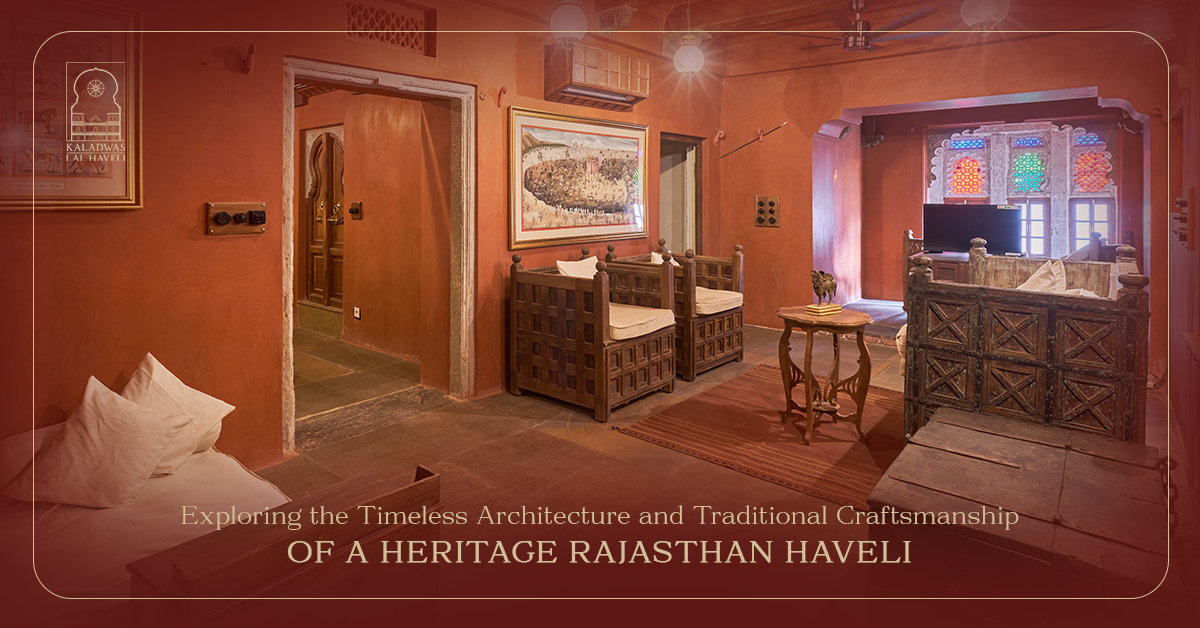
Exploring the Timeless Architecture and Traditional Craftsmanship of a Heritage Rajasthan Haveli
Where Stone, Light, and History Come Together
Rajasthan is celebrated for its magnificent forts, royal palaces, and vibrant culture, but some of its most captivating architectural treasures are found within its historic havelis. Built by noble families, merchants, and local rulers, these grand residences represent centuries of craftsmanship, thoughtful design, and cultural heritage. Today, many of these architectural masterpieces have been carefully restored into heritage boutique hotels, allowing travellers to experience Rajasthan’s history in an authentic and immersive way.
Unlike modern hotels designed for convenience and uniformity, a Heritage Rajasthan Haveli reflects the traditions, artistry, and lifestyle of generations past. Every carved doorway, open courtyard, graceful arch, and stone balcony tells a story of skilled artisans who transformed local materials into timeless works of architecture. These buildings were created not only to impress but also to provide comfort, privacy, and harmony with Rajasthan’s challenging climate.
Choosing a Heritage Stay in Udaipur is much more than booking a place to stay. It is an opportunity to wake up inside a centuries-old residence, admire handcrafted architectural details, and experience the warmth of traditional Mewari hospitality. Whether you’re passionate about architecture, history, photography, or cultural travel, a heritage haveli offers an experience that modern accommodation simply cannot replicate.
This guide explores the defining features of Traditional Rajasthani Architecture, the craftsmanship behind these remarkable homes, and why they continue to inspire travellers seeking an authentic Haveli Stay in Udaipur.
What Defines a Traditional Rajasthani Haveli?
The word haveli originates from the Persian word hawli, meaning “an enclosed space.” In Rajasthan, however, a haveli became far more than a residence. It symbolised prosperity, artistic excellence, and a family’s connection to local culture and craftsmanship.
Across cities such as Udaipur, Jodhpur, Jaisalmer, and Shekhawati, wealthy merchants, nobles, and influential families built havelis that reflected both their social standing and their appreciation for fine architecture. Unlike royal palaces, these homes were designed around everyday life, balancing elegance with functionality while accommodating family gatherings, celebrations, and business activities.
Many of today’s restored havelis continue to preserve this legacy, making them some of the most sought-after Heritage Boutique Hotels in Udaipur.
Designed Around Daily Life
One of the most remarkable aspects of a traditional haveli is its inward-looking design. Rather than focusing on elaborate exteriors alone, the architecture was centred around the needs of the family living inside.
Visitors would enter through a grand wooden gateway into a series of interconnected spaces that gradually became more private. At the centre of the home was an open courtyard, surrounded by living quarters, verandas, and gathering spaces. This layout created a natural balance between openness and privacy while encouraging family interaction.
The design also responded intelligently to Rajasthan’s climate. Thick stone walls reduced heat transfer, shaded courtyards improved airflow, and high ceilings allowed warm air to rise naturally. Long before air conditioning existed, these homes remained comfortable through passive cooling techniques that are still admired by architects today.
Architecture Inspired by Climate
The beauty of Traditional Rajasthani Architecture lies not only in its appearance but also in its practical design. Every architectural element served a purpose.
- Thick stone walls helped keep interiors cool during hot summers.
- Open courtyards improved natural ventilation and daylight.
- Carved stone screens filtered sunlight while maintaining privacy.
- Projecting balconies reduced direct heat and protected the façade.
- Elevated terraces captured cool evening breezes.
Instead of fighting the desert environment, traditional builders designed homes that worked in harmony with it. This climate-responsive approach continues to influence sustainable architecture around the world.
A Celebration of Craftsmanship
Every haveli reflects the extraordinary skill of Rajasthan’s artisans. Stone carvers, woodworkers, fresco painters, blacksmiths, and plaster specialists worked together to create buildings that combined beauty with functionality.
Floral carvings, geometric patterns, hand-painted ceilings, carved wooden doors, and decorative arches were not simply ornamental. They represented generations of craftsmanship passed down through families, making every haveli unique.
Today, preserving these buildings also helps preserve the traditional skills that define Rajasthan’s architectural identity.
Living Heritage for Modern Travellers
A Historic Haveli in Rajasthan is not a museum frozen in time. It is a living part of the region’s culture.
When restored as a Boutique Hotel in Udaipur, these heritage homes allow guests to experience history through everyday living—walking along centuries-old corridors, relaxing in peaceful courtyards, and admiring handcrafted details that have survived for generations.
This combination of architecture, culture, and authentic hospitality makes a Heritage Stay in Udaipur one of the most rewarding ways to experience Rajasthan.
The Architectural Identity of Rajasthan Havelis & Traditional Craftsmanship
The Architectural Identity of Rajasthan Havelis
The beauty of a Heritage Rajasthan Haveli lies in the perfect balance between functionality and artistry. Every architectural feature was thoughtfully designed to enhance comfort, respond to the local climate, and reflect the cultural identity of the family who lived there. Rather than following temporary design trends, these historic homes were built to endure for generations, making them timeless examples of Traditional Rajasthani Architecture.
Courtyards: The Heart of Every Haveli
At the centre of every traditional haveli is the aangan, or courtyard, which served as the social and architectural heart of the home.
Far more than an open space, the courtyard was where daily life unfolded. Families gathered for celebrations, children played under the open sky, and evenings were spent sharing stories in the cool breeze. Architecturally, the courtyard improved airflow, welcomed natural light, and helped regulate indoor temperatures throughout the year.
Even today, the peaceful atmosphere created by these courtyards remains one of the defining features of a Heritage Stay in Udaipur, offering guests a sense of calm that is rarely found in modern hotels.
Jharokhas: Beauty with Purpose
One of the most iconic features of Rajasthan’s architecture is the jharokha—an intricately carved projecting balcony crafted from stone or wood.
These elegant balconies allowed family members to enjoy views of the streets while maintaining privacy. At the same time, they reduced direct sunlight, improved ventilation, and created beautiful patterns of light and shadow inside the home.
Today, jharokhas remain one of the most photographed elements of a Historic Haveli in Rajasthan, admired for both their artistic beauty and practical design.
Grand Entrances and Handcrafted Doors
The entrance to a haveli was designed to create a lasting impression.
Massive wooden doors, reinforced with handcrafted brass and iron fittings, symbolised strength, prosperity, and hospitality. Floral carvings, geometric motifs, and traditional symbols reflected the artistic traditions of Rajasthan while welcoming guests into the family’s private world.
These original entrances continue to define many restored Heritage Boutique Hotels in Udaipur, preserving the character and authenticity of the buildings.
Natural Stone and Climate-Responsive Design
Traditional builders relied on locally sourced sandstone, marble, limestone, and granite to create homes that blended naturally with Rajasthan’s landscape.
These materials were chosen not only for their beauty but also for their durability and ability to keep interiors naturally cool. Thick masonry walls, shaded verandas, high ceilings, and carefully positioned openings created comfortable living spaces long before modern cooling systems existed.
This climate-responsive approach demonstrates why Traditional Rajasthani Architecture continues to inspire sustainable design across the world.
Traditional Craftsmanship That Gives Every Haveli Its Soul
Architecture provides the structure of a haveli, but it is craftsmanship that gives it character. Every surface reflects the skill, patience, and creativity of artisans whose knowledge has been passed down through generations.
Unlike contemporary construction, where many elements are machine-made, historic havelis celebrate the individuality of handcrafted work. Every carving, painting, and decorative detail carries the unmistakable touch of human craftsmanship.
Stone Carving
Stone carving is one of Rajasthan’s most celebrated artistic traditions.
Using locally sourced sandstone and marble, artisans transformed pillars, balconies, arches, and window screens into intricate works of art featuring floral motifs, geometric patterns, and traditional symbols.
Beyond decoration, carved lattice screens improved ventilation, softened sunlight, and maintained privacy, proving that beauty and functionality were always closely connected.
Handcrafted Woodwork
Woodwork added warmth and elegance to traditional havelis.
Master craftsmen created beautifully carved entrance doors, ornate ceilings, staircases, decorative brackets, and furniture that reflected both artistic excellence and practical craftsmanship. Every piece was handcrafted, making each haveli unique.
Many heritage properties still preserve these original wooden features, allowing guests to appreciate craftsmanship that has stood the test of time.
Lime Plaster and Fresco Painting
Long before cement became common, builders relied on traditional lime plaster to create durable, breathable walls that naturally regulated moisture and temperature.
Artists then decorated these surfaces with frescoes depicting mythology, festivals, royal processions, floral patterns, and scenes from everyday life. Created using natural pigments applied to fresh lime plaster, these paintings became permanent works of art that continue to tell stories centuries later.
Together, lime plaster and frescoes remain among the most distinctive features of Heritage Architecture in Rajasthan.
Metalwork and Marble
Small details often make the greatest impact.
Hand-forged brass door knockers, iron hinges, decorative locks, lanterns, and balcony fittings added elegance while reflecting exceptional craftsmanship. Marble flooring, especially in the Mewar region, introduced both luxury and practicality by keeping interiors naturally cool during Rajasthan’s hot summers.
These handcrafted elements complete the timeless character of a Heritage Rajasthan Haveli.
Preserving Living Traditions
Restoring a historic haveli involves much more than repairing an old building. It also protects traditional craftsmanship that might otherwise disappear.
Stone carving, wood carving, lime plaster, fresco restoration, and metalwork all require specialised skills that have been preserved through generations of artisan families. Every heritage restoration project helps keep these remarkable traditions alive while supporting local communities.
For travellers choosing a Haveli Stay in Udaipur, these handcrafted details add a deeper appreciation of Rajasthan’s cultural heritage. Every carved pillar, painted wall, and handcrafted doorway reflects centuries of artistic excellence, making each stay a meaningful journey into the region’s living history.
Mewari Architecture, Why Heritage Architecture Still Matters & The Heritage Stay Experience
Mewari Architecture: Where Elegance Meets Simplicity
Among Rajasthan’s many architectural traditions, Mewari Architecture stands out for its refined elegance, balanced proportions, and deep connection with nature. Originating in the historic kingdom of Mewar, with Udaipur as its cultural heart, this architectural style reflects centuries of royal patronage, local craftsmanship, and climate-responsive design.
Unlike highly ornate architectural styles, Mewari design embraces understated beauty. Every arch, courtyard, carved pillar, and balcony is carefully proportioned, creating spaces that feel graceful, functional, and welcoming rather than extravagant.
Built in Harmony with Nature
One of the defining characteristics of Mewari architecture is its close relationship with the surrounding landscape.
Builders used locally sourced marble, limestone, granite, and sandstone, allowing structures to blend naturally with the Aravalli Hills, serene lakes, and historic streets of Udaipur. These natural materials not only enhanced durability but also helped regulate indoor temperatures throughout the year.
This thoughtful use of local resources continues to inspire architects who value sustainable and environmentally conscious design.
Climate-Responsive Design
Long before modern technology transformed building practices, Mewari architects understood how to create naturally comfortable living spaces.
Homes were designed with:
- Thick masonry walls that reduced heat transfer
- Open courtyards for natural ventilation
- Deep verandas that provided shade
- Elevated terraces that welcomed cool evening breezes
- Carefully positioned windows that maximised daylight while minimising harsh afternoon heat
These passive cooling techniques remain remarkably effective, proving that traditional architecture offers valuable lessons for sustainable living even today.
Spaces Designed Around Everyday Life
A traditional Mewari haveli was never just a beautiful building—it was designed around the daily lives of the families who lived there.
Courtyards became gathering spaces for festivals and family celebrations. Verandas created comfortable areas for conversation and relaxation. Rooftops offered spectacular evening views, while private rooms balanced openness with intimacy.
Every architectural element supported the rhythms of daily life, creating homes that felt both elegant and deeply personal.
Why Heritage Architecture Still Matters Today
Centuries after they were built, Rajasthan’s historic havelis remain remarkably relevant. Their value extends far beyond their visual beauty—they demonstrate how thoughtful architecture can combine sustainability, craftsmanship, and cultural identity in ways that continue to inspire modern design.
Sustainability Before It Became a Trend
Traditional Rajasthani Havelis were designed using passive architectural principles rather than mechanical systems.
Natural ventilation, locally sourced materials, shaded courtyards, thick stone walls, and carved jharokhas reduced the need for artificial cooling while creating comfortable interiors throughout Rajasthan’s extreme seasons.
These environmentally responsible building techniques are increasingly recognised as examples of sustainable architecture that remain relevant today.
Craftsmanship That Stands the Test of Time
Unlike many modern buildings designed for short life cycles, heritage havelis were built to last for generations.
Natural stone develops character with age, handcrafted woodwork gains richness over time, and lime-plastered walls continue to breathe naturally. Rather than losing their beauty, these buildings become more distinctive as the years pass.
This longevity reflects a philosophy that values quality, patience, and craftsmanship over speed and mass production.
Preserving Culture Through Conservation
Restoring a heritage haveli means preserving much more than architecture.
Every conservation project supports traditional artisans, safeguards historic building techniques, and protects Rajasthan’s cultural identity. Stone carvers, fresco painters, woodworkers, and metal craftsmen continue practising their ancestral skills because authentic restoration depends on their expertise.
By protecting these buildings, we also preserve the living traditions that make Rajasthan’s heritage truly unique.
Experiencing a Heritage Stay in Udaipur
Exploring historic monuments offers insight into Rajasthan’s past, but staying in a restored haveli allows travellers to become part of its living heritage.
A Heritage Stay in Udaipur is about far more than accommodation. It is an immersive cultural experience where architecture, hospitality, and local traditions come together to create unforgettable memories.
A Different Experience Throughout the Day
Historic architecture transforms beautifully as daylight changes.
Morning sunlight filters through carved stone screens, illuminating peaceful courtyards. During the afternoon, shaded verandas provide cool retreats from the city’s warmth. As evening arrives, rooftop terraces reveal breathtaking views of Udaipur’s lakes, temples, and historic skyline.
Rather than remaining static, the haveli evolves throughout the day, offering a different atmosphere with every passing hour.
Hospitality Rooted in Tradition
One of the defining qualities of a Heritage Boutique Hotel in Udaipur is its personalised hospitality.
Guests are welcomed with the warmth and attentiveness that have long characterised Mewari culture. From traditional cuisine to local stories and cultural experiences, every interaction reflects a genuine commitment to preserving Rajasthan’s rich heritage.
This personal connection transforms a hotel stay into an authentic cultural journey.
Every Detail Tells a Story
Unlike modern hotels built around standardised layouts, every room in a heritage haveli possesses its own character.
Handcrafted ceilings, carved arches, antique niches, traditional furniture, and historic courtyards create spaces that celebrate individuality rather than uniformity. Each architectural detail offers insight into Rajasthan’s artistic traditions and the generations who helped preserve them.
Creating Memories That Last
Travellers rarely remember a hotel solely for its amenities. Instead, they remember experiences.
A quiet morning in a sunlit courtyard.
An evening spent overlooking Udaipur’s illuminated skyline.
The intricate craftsmanship of centuries-old stone carvings.
The warmth of traditional hospitality shared over authentic Mewari cuisine.
These are the moments that transform a simple holiday into a lasting memory.
For those seeking culture, history, architecture, and genuine hospitality, a Haveli Stay in Udaipur offers an experience that goes beyond luxury. It provides an opportunity to live within Rajasthan’s rich heritage while discovering the timeless beauty of Traditional Rajasthani Architecture firsthand.
Discovering Authentic Heritage at Kaladwas Lal Haveli
Among the many heritage properties in Udaipur, Kaladwas Lal Haveli stands as a remarkable example of how history, architecture, and hospitality can coexist in perfect harmony. Dating back nearly 300 years, this beautifully restored Heritage Boutique Hotel in Udaipur preserves the timeless character of traditional Mewari architecture while offering the comfort and personalised service expected by today’s discerning travellers.
Situated in the heart of Udaipur’s historic old city, the haveli allows guests to experience Rajasthan’s cultural heritage beyond sightseeing. Narrow heritage streets, centuries-old temples, vibrant local markets, and iconic landmarks are all within easy reach, creating an authentic setting that reflects the city’s rich history.
A Living Example of Mewari Architecture
Every corner of Kaladwas Lal Haveli reflects the architectural traditions that have defined the Mewar region for centuries.
Guests are welcomed through handcrafted wooden doors into elegant courtyards, graceful arches, and beautifully restored interiors that celebrate the artistry of Rajasthan’s master craftsmen. Intricate stone carvings, traditional architectural details, and heritage-inspired décor preserve the haveli’s original character while creating an atmosphere of understated luxury.
Rather than recreating history, the property continues to live it.
Heritage Meets Modern Comfort
One of the defining qualities of Kaladwas Lal Haveli is its thoughtful restoration.
Modern amenities have been seamlessly integrated without compromising the building’s historic integrity. Spacious heritage rooms, carefully curated interiors, contemporary conveniences, and personalized hospitality ensure that guests enjoy a comfortable stay while remaining immersed in authentic heritage surroundings.
This balance between preservation and comfort is what distinguishes a genuine Boutique Hotel in Udaipur from conventional luxury accommodation.
A Rooftop Experience to Remember
One of the haveli’s highlights is its rooftop dining experience.
Overlooking Udaipur’s historic skyline, guests can enjoy panoramic views of lakes, temples, heritage buildings, and the surrounding Aravalli Hills while savouring authentic Mewari cuisine. As the sun sets over the City of Lakes, the atmosphere becomes one of the most memorable experiences of staying in a heritage haveli.
It is a place where architecture, culture, and local flavours come together to create lasting memories.
More Than a Stay
Choosing Kaladwas Lal Haveli is about much more than selecting accommodation.
It is about experiencing Rajasthan through its architecture, traditions, craftsmanship, and genuine hospitality. Every carved archway, peaceful courtyard, handcrafted detail, and thoughtfully restored space reflects centuries of history while inviting guests to become part of its continuing story.
For travellers seeking an authentic Heritage Stay in Udaipur, Kaladwas Lal Haveli offers a timeless experience where the past is beautifully preserved for the present.
Conclusion
Rajasthan’s historic havelis are far more than architectural landmarks—they are living expressions of the region’s cultural heritage, artistic excellence, and architectural intelligence. Every courtyard, carved balcony, fresco, and handcrafted doorway tells a story of skilled artisans whose work has endured for generations.
Their climate-responsive design, use of local materials, and exceptional craftsmanship continue to inspire architects, conservationists, and travellers around the world. In an age of modern construction, these heritage residences remind us that timeless design is created through patience, authenticity, and respect for tradition.
Choosing a Haveli Stay in Udaipur offers an experience that goes beyond sightseeing. It allows travellers to live within history, appreciate remarkable craftsmanship, and experience the warmth of authentic Mewari hospitality in an environment where every architectural detail has meaning.
Among these treasured heritage properties, Kaladwas Lal Haveli beautifully represents the spirit of Rajasthan’s architectural legacy. Its carefully preserved heritage, elegant design, personalised service, and rich cultural atmosphere create an experience that is both luxurious and deeply meaningful.
Whether you’re an architecture enthusiast, history lover, photographer, or traveller searching for authentic cultural experiences, a stay at Kaladwas Lal Haveli offers an unforgettable journey into the timeless soul of Rajasthan.
Frequently Asked Questions
1. What makes a Heritage Rajasthan Haveli different from a modern hotel?
A heritage haveli is a historic residence that has been carefully restored while preserving its original architecture and craftsmanship. Unlike modern hotels, it offers guests an authentic cultural experience through traditional design, handcrafted interiors, and personalised hospitality.
2. Why should I choose a Heritage Stay in Udaipur?
A Heritage Stay in Udaipur allows you to experience the city’s rich history from within a beautifully restored haveli. Guests enjoy authentic architecture, traditional Mewari hospitality, heritage-inspired interiors, and convenient access to Udaipur’s historic attractions.
3. What are the key features of Traditional Rajasthani Architecture?
Traditional Rajasthani architecture is known for its central courtyards, carved jharokhas, stone façades, grand wooden doors, frescoes, decorative arches, marble flooring, and passive cooling techniques that naturally regulate indoor temperatures.
4. What makes Mewari architecture unique?
Mewari architecture combines elegance with practicality. It features locally sourced materials, balanced proportions, climate-responsive planning, open courtyards, and refined craftsmanship that reflects the cultural heritage of the Mewar region.
5. Why is Kaladwas Lal Haveli considered an authentic heritage property?
Kaladwas Lal Haveli is a nearly 300-year-old Heritage Boutique Hotel in Udaipur that has been thoughtfully restored while preserving its original Mewari architecture, handcrafted details, traditional courtyards, and historic charm. It offers guests an immersive heritage experience enhanced by modern comfort and genuine Rajasthani hospitality.
Experience the Timeless Charm of Kaladwas Lal Haveli
If you’re looking for more than just a place to stay, discover the timeless elegance of Kaladwas Lal Haveli, a beautifully restored Heritage Boutique Hotel in Udaipur where history, architecture, and authentic hospitality come together.
Wake up in a centuries-old haveli, admire handcrafted stonework and traditional Mewari design, savour regional cuisine with panoramic rooftop views, and explore the vibrant streets of Udaipur’s historic old city. Every moment here reflects the rich cultural heritage of Rajasthan while offering the comfort and personalised service of a boutique luxury stay.
Whether you’re planning a romantic escape, a cultural holiday, or a photography journey, Kaladwas Lal Haveli invites you to experience Rajasthan the way it was meant to be experienced—through its living heritage, timeless architecture, and warm hospitality.
Book your Heritage Stay in Udaipur today and immerse yourself in the enduring beauty of Rajasthan, where every courtyard, every carved stone, and every sunrise tells a story that has lasted for centuries.